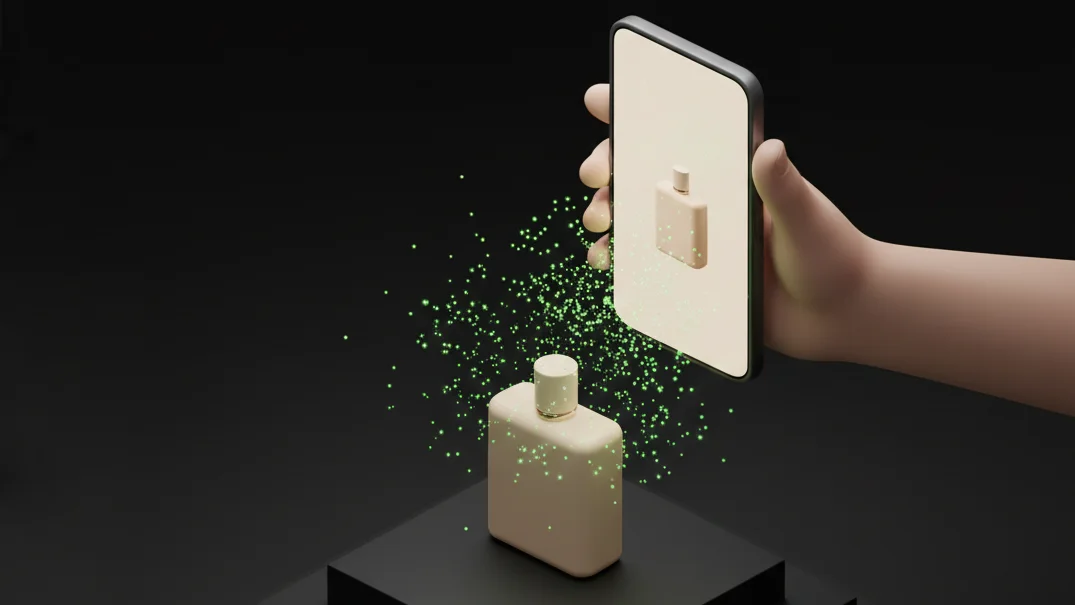
Your competitor just launched 200 product photos last week. Studio cost: zero. Shooting time: an afternoon with a smartphone. Welcome to the new reality of e-commerce visual production.
Turning Your Smartphone Into a Professional Photo Studio
Traditional product shoots cost around $39 per image on average. AI tools like Photoroom or Claid.ai bring that cost down to less than $0.50 while letting you work directly from a smartphone.
Photoroom has established itself as the go-to solution for e-commerce teams. The mobile app lets you capture a product against any background, then instantly transform it into a catalog-ready visual. Automatic background removal works remarkably well on products with clean edges: bottles, packaging, accessories. The Product Beautifier feature automatically corrects lighting, textures, and composition. For fashion brands, Virtual Model generates photos of clothing worn by AI mannequins without organizing a shoot. The Pro subscription starts at $12.99 per month.
Claid.ai takes the approach further with its Custom AI function. By uploading a few photos of your product, you train a dedicated model that then generates lifestyle visuals consistent with your brand identity. The tool excels at placing products in realistic environments. Think a watch on a raw wood desk, or a perfume bottle in a minimalist Scandinavian setting. The API integrates easily with Shopify through Make or Zapier automations.
Pebblely targets Etsy sellers and small shops with an "Instagram aesthetic" approach. Its 40 preset themes generate stylized, colorful backgrounds designed to stop the scroll. The interface remains accessible to non-designers, with batch processing to handle multiple SKUs at once.
Meta and Google Campaigns: Letting AI Take the Wheel (While Keeping Your Hands Ready)
Meta has invested between $14 and $15 billion in Scale AI to strengthen its advertising tools. The result materializes in Advantage+, a suite that automates targeting, placements, and creative optimization. Early tests show a 5-8% increase in conversions on Instagram, with a 9% rise in average price per ad. The Andromeda algorithm is getting better at identifying qualified audiences.
In practice, Advantage+ Creative automatically adjusts your visuals and copy based on each audience segment's responses. No more manually creating dozens of variants for A/B tests. The system generates automatic product highlights, maintains brand consistency (logos, fonts, colors), and optimizes format based on placement. Carousel works best for product comparison, video drives engagement, and collection ads reduce friction between discovery and purchase.
On the Google side, AI Max for Search represents the most significant evolution. This product combines targeting and content creation in a unified interface. Smart Bidding Exploration allows you to use flexible ROAS targets to explore new audiences. Campaigns using this feature see an average 18% increase in search query categories generating conversions.
For managers who want to maintain control, third-party tools offer a valuable complement. Madgicx's AI Ad Generator transforms your product images into dozens of ad variants, while the AI Marketer audits your account daily and proposes one-click optimizations. AdAmigo.ai appeals to media buyers with its "if-this-then-that" logic: you define precise rules. If an ad set's ROAS drops below 3.5 for 3 consecutive days, pause it and send a Slack alert.
These tools still require active supervision. As lean UX principles remind us, automation accelerates strategic thinking but doesn't replace it.
Bringing Product Photos to Life: Video and 3D
Product videos can increase conversions by up to 90% according to platform data. The shopping experience becomes more immersive when buyers can see movement, texture, and scale.
SellerPic offers an Image-to-Video function that transforms your product photos into dynamic videos in seconds. The tool adds smooth motion effects optimized for social formats (Reels, TikTok, Shorts). Multi-Image mode combines several shots into a cohesive sequence, ideal for showcasing color variations or different angles of the same product. The platform offers 20 free credits per month.
Creatify positions itself on advertising videos. From a single product image, the tool generates professional B-roll and UGC-style content. Integration with Shopify and WooCommerce catalogs allows you to create videos for your entire inventory without manual intervention on each reference.
Predis.ai connects directly to your e-commerce store and automatically analyzes your products to create ready-to-publish videos. The tool also generates optimized captions and hashtags for each platform. Its drag-and-drop editor lets you adjust templates, add animations, and integrate AI-generated voiceovers in over 18 languages.
For brands wanting to push further, Luma AI offers cinematic video generation from text or images. Neural Radiance Fields (NeRFs) and 3D Gaussian Splatting technologies now allow creating realistic 3D environments directly from 2D photos. Furniture, home decor, and fashion brands are already experimenting with these capabilities.
E-commerce platforms like Bro BBQ demonstrate how integrating dynamic visuals can transform the shopping experience and build consumer trust.
Choosing the Right Tool for Your Needs
With dozens of options available, selecting the right AI tools depends on your specific workflow and budget.
Most teams make the mistake of subscribing to five different tools without thinking about how they connect. A leaner setup usually works better:
For daily production: Use a mobile app like Photoroom or CapCut. Capture, retouch, and publish social visuals directly from the field. Works great at trade shows, events, or from your warehouse.
For batch processing: Claid.ai or Pebblely automate repetitive tasks like background removal, scene generation, and multi-format resizing. API integration with Shopify, Make, or Zapier eliminates manual work on recurring workflows.
For ad campaigns: Let Advantage+ and AI Max optimize targeting and placements. Monitor metrics through third-party tools. Review search terms weekly, refresh creatives monthly, adjust strategy quarterly.
Understanding why digital products fail helps avoid the trap of over-automation without strategic vision.
Where AI Still Falls Short
AI-generated human faces often look slightly off. That "uncanny valley" effect can hurt credibility, especially for fashion and beauty brands. Transparent or reflective products like glassware and jewelry typically need manual retouching. And no algorithm can replace a coherent artistic direction that matches your brand positioning.
The most pragmatic approach: test before scaling. Select 10 representative SKUs, generate AI visuals, and run an A/B test through your Meta or Google campaigns. Measure CTR and CPA. If results confirm value, gradually automate the entire catalog. This iterative method, familiar to product designers who understand the SaaS landscape, minimizes risk while accelerating learning.